Rainfields (Rainfall Mapper) is a high-resolution rainfall-mapping tool that helps users visualise how rainfall varies across landscapes in near real time. Key Features
|
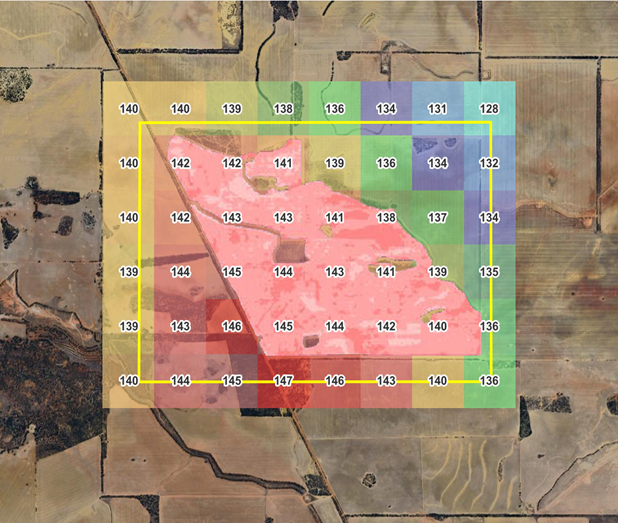
Figure: Detailed image from Rainfall Mapper of a paddock in Kalannie WA (Jan-May 2024 summed rainfall). | |
Technology Behind Rainfields
VisualisationInteractive maps allow users to:
|
| |


02 4921 5473
enquiries@soilcrc.com.au
CRC for High Performance Soils
Level 1, IDC Building
University of Newcastle
University Drive
Callaghan NSW 2308
Australia

03 5327 9314
cerdi.admin@federation.edu.au
Suite 15, Greenhill Enterprise Centre
Ballarat Technology Park
University Drive, Mount Helen